

How to Fish the River Tyne for Grayling in Winter: Rod, Reel and Swim Selection
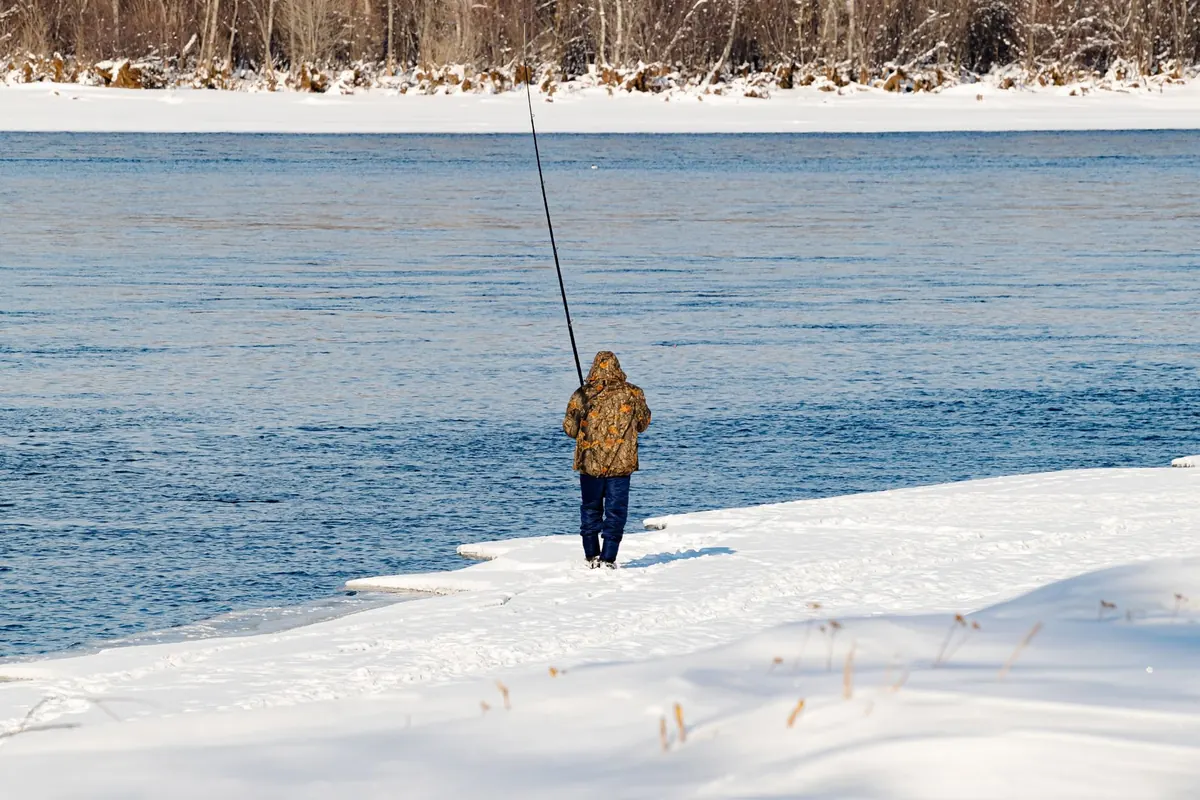
Winter on the Tyne is grey water, bare banks and numb fingers — and, if you pick the right swim, grayling. When the chub go sulky and the barbel are nothing but a memory, grayling carry on feeding in water that shuts most coarse fish down. A light float, a couple of maggots and a gravel run above Hexham will keep you busy on a January afternoon while everything else on the river looks asleep.
The setup is not complicated. What separates a good winter session from a blank is mostly reading the swim properly, slowing everything down and looking after the fish once you hook one.
The Legal Bit, Kept Short
Grayling can be fished for right through the winter on the Tyne, and the old river close season for coarse fish in England was removed some years ago. That does not mean there are no rules. Byelaws differ between rivers and get updated, and individual stretches carry their own restrictions on bait, tackle and whether you can keep fish. Some clubs on the Tyne ask for grayling to be returned, and many ask for extra care in spring, when grayling spawn.
You need a current rod licence, and you need permission to fish the water. The Tyne is a patchwork of club-controlled beats, day-ticket stretches and free fishing, so check before you travel rather than after. Salmon and sea trout seasons are closed in winter, so any migratory fish you hook has to go back carefully and immediately.
One sensible note: byelaws, licence conditions and club rules are the only versions that count, and they change. Confirm the current position with the Environment Agency and whichever club controls your stretch before you set off.
It is also worth remembering that grayling are not native to all UK rivers, but on the Tyne they are well established. Catch-and-release is the norm, and for good reason: grayling are slow-growing and a big one — say a 2lb fish — could be many years old. If you do keep a fish, only do so where it is allowed and within any size limits.
A Simple Setup: Rod, Reel, Line
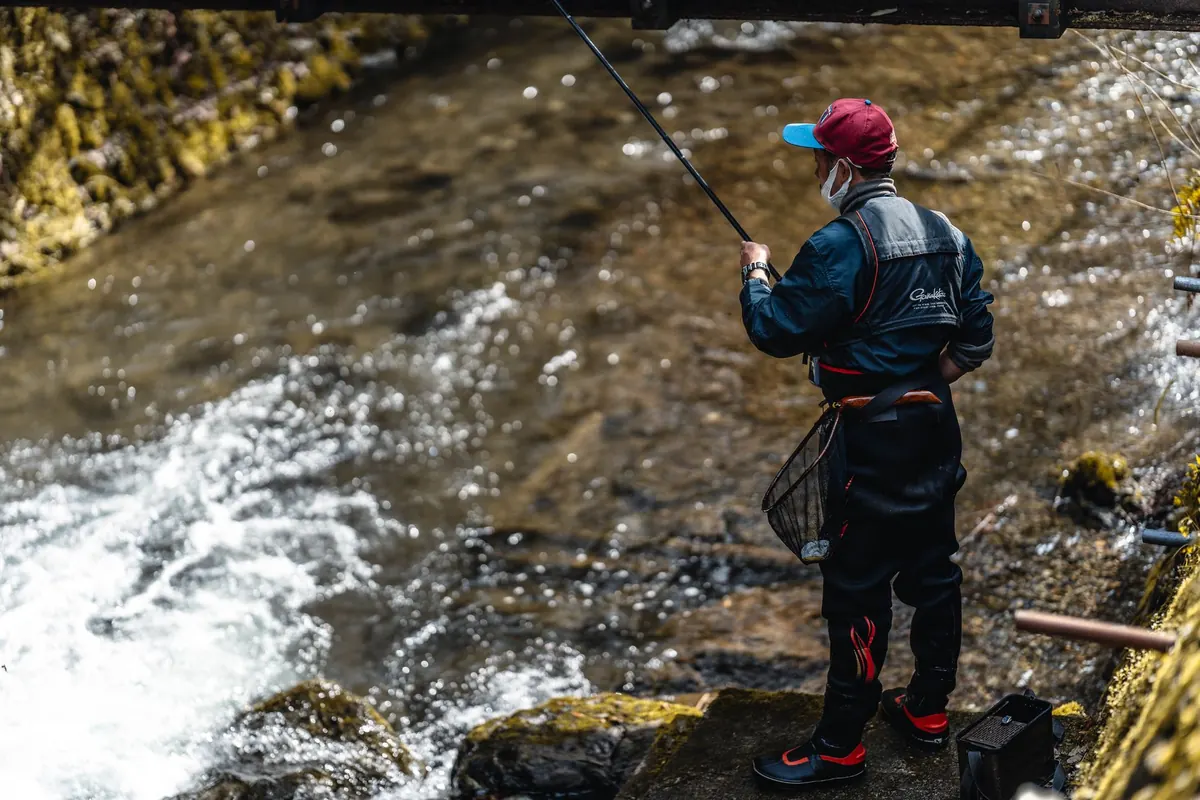
You do not need much. A light 12ft float rod rated roughly for 3lb to 6lb line will handle almost everything the Tyne throws at you in winter. If you are fishing wide, steady glides where line control matters, a 13ft rod is a real help. On smaller water — the Allen, the Rede, the upper South Tyne — a 10ft light float rod is more fun and easier to steer between branches.
For the reel, a small front-drag fixed spool around the 2500 size is ideal. Load it with 4lb main line, or 3lb if the water is clear and low. A slightly heavier 5lb line is a sensible choice if you are fishing a swim with a lot of snags or if there is a chance of a bonus chub. The reel does not need to be expensive, but it does need a smooth drag — grayling have soft mouths and a jerky drag will lose fish.
The Rod
Rod choice is about balance. A 12ft rod that bends progressively will protect light hooklengths and still cast a small float accurately. Avoid anything too stiff; you want the rod to absorb the lunges of a lively grayling, especially in fast water. A quiver-tip rod can work in deeper, slower pools, but for most winter Tyne fishing a float rod is more versatile.
The Reel
The reel is mostly a line storage device, but it matters. A 2500-size front-drag reel balances a 12ft rod well. Fill the spool to within a few millimetres of the lip so line peels off cleanly. If you use braid as a main line — some anglers do for better bite indication — remember it has no stretch, so you will need a softer rod or a lighter drag.
Line and Terminal Tackle
Main line of 4lb is a good all-rounder. For hooklengths, step down to 2lb or even 1.5lb in clear, low water. Grayling are not tackle-shy in the way that wary chub can be, but they do respond to fine presentation. Use a small float — a 4x12 or 4x14 stick float or a small waggler — and shot it so only a tiny bit of the tip shows. A size 16 or 18 hook is perfect for a couple of maggots.
Hooklength material: plain monofilament is fine. Some anglers use fluorocarbon for its abrasion resistance and near-invisibility in clear water. Either works. What matters is that the hook is sharp. Check it after every fish or snag.
Reading the Swim: Where Grayling Sit in Winter
Grayling are fish of moving water. They like gravel, they like a bit of pace, and they like to sit just off the main flow where they can pick off food without fighting the current. On the Tyne in winter, that usually means you are looking for:
- Gravel runs — shallow to medium depth, with a visible riffle at the head and a smooth glide below.
- Creases — the seam between fast and slow water, often marked by a line of bubbles or a change in surface texture.
- Tail ends of pools — where the water shallows and speeds up as it leaves the pool.
- Pockets behind boulders — small eddies that give a fish a rest from the current.
- Bridge pilings and bank features — anything that breaks the flow and creates a holding spot.
On a typical Tyne beat above Hexham, you might find a swim where the river narrows and runs over a gravel bar. The grayling will often be in the first few metres of the glide, just where the riffle smooths out. Cast upstream and let the float trot down naturally. If you do not get a bite in the first ten minutes, try adjusting the depth — grayling can be surprisingly shallow, sometimes in less than two feet of water, even in winter.
Another classic winter swim is the crease where a side stream or ditch enters the main river. The colder, often coloured water from the tributary can attract grayling, especially if it carries food. Fish the edge of the coloured water, not the middle.
If the river is up and coloured, look for slower eddies and backwaters. Grayling will move out of the main flow to avoid the worst of the flood. As the water drops and clears, they move back onto the gravel.
Tip: If you are not getting bites, try shallowing up by six inches at a time. Grayling often sit higher in the water column than you expect in winter.
Tactics: Float, Shotting and Bait
Winter fishing is slow fishing. You are not trying to cover water quickly; you are trying to present a bait naturally at the speed of the current. The classic approach is a stick float or waggler fished upstream and trotted down. Use a running line setup with the float attached top and bottom, or a waggler locked with shot.
Shotting: for a 4x12 stick float, you might use a bulk of three No. 4 shot about 18 inches from the hook, then a No. 6 and a No. 8 down the line. This gives a slow, natural fall. In colder water, grayling often want a static or very slow-moving bait. Holding back — slowing the float by keeping a tight line — can be deadly. The bait rises slightly in the water, and that often triggers a bite.
Bait: maggots are the staple. Red maggots are a good default. Casters can be excellent, especially for bigger fish. Sweetcorn works on some stretches, and small pieces of worm can pick out a bonus fish. Feed little and often — a dozen maggots every cast is plenty in winter. Do not overfeed.
Bite detection: grayling bites can be delicate. Watch for the float dipping, hesitating, or lifting. Sometimes the float just stops. Strike at anything that looks unnatural. A fine tip on the float helps.
Looking After the Fish
Grayling are delicate. They have soft mouths, and they do not respond well to being squeezed or left out of water. Use a landing net with soft mesh. Wet your hands before handling. Unhook the fish in the net, or if you must hold it, support it gently with one hand under the belly and one near the tail. Do not use a dry unhooking mat — a wet one or the net itself is better.
Return the fish quickly. If it needs a moment to recover, hold it upright in the water until it kicks away. In winter, the air is cold, and a fish out of water can chill quickly. A fish that swims off strongly has a much better chance of survival.
If you are fishing a club water that asks for all grayling to be returned, respect that. Even where you can keep fish, consider releasing them. A 2lb grayling is a trophy on the Tyne, and it took years to grow.
A Winter Session: Putting It Together
Imagine a January morning on the Tyne above Hexham. The air is 2°C, the water is 5°C, and there is a bit of colour in the river. You walk a beat and find a gravel run with a nice crease. You set up a 12ft float rod, 4lb main line, 2lb hooklength, a 4x12 stick float and a size 18 hook. Two red maggots on the hook.
You cast upstream, mend the line, and let the float trot down. First cast, nothing. Second cast, the float dips and you strike into a small grayling, maybe 8oz. It fights hard in the current. You net it, unhook it in the net, and slip it back. Next cast, you hold back a little and the float sinks again — this time a better fish, maybe 1lb. The pattern continues. You catch a dozen fish in three hours, nothing huge, but a busy session on a day when the carp anglers are sitting behind motionless rods.
That is winter grayling fishing. It is not complicated, but it is satisfying.
Final Thoughts
Pick the right swim, use a light float setup, slow everything down, and handle the fish with care. Check the rules before you go. The Tyne in winter can be a cold, grey place, but the grayling do not care. They are there, and they will feed. A bit of local knowledge and a willingness to move and adjust will turn a blank into a good day.
And if you only remember one thing: fish the crease, not the middle.
Photo: Aleksandr Gorlov / Pexels